

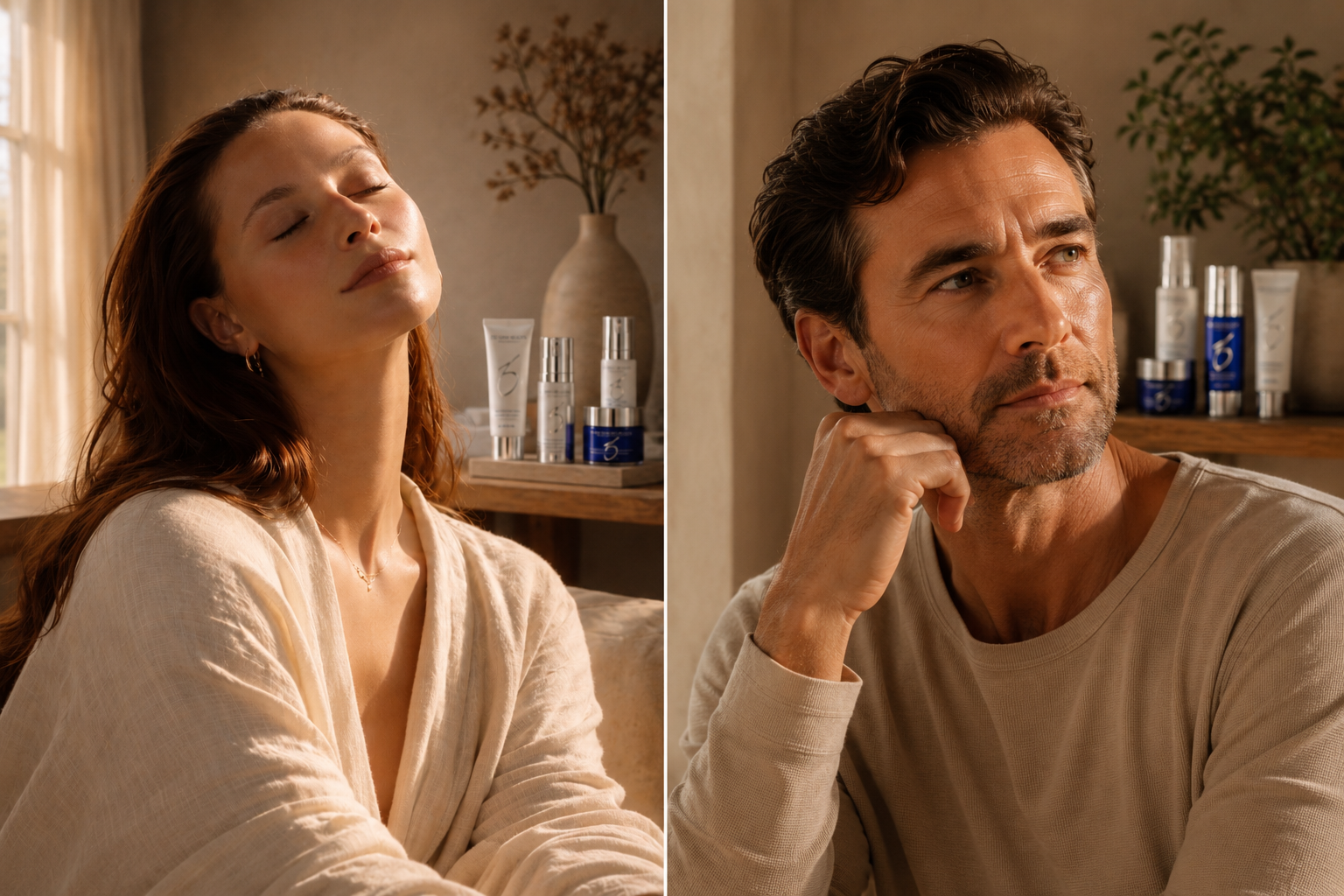
Polynucleotides in 2026 — What They Are, What They Do, and Whether They’re Right for You
There is a moment in every patient’s journey when the question shifts. Not “how do I look?” but “how does my skin actually feel?” Thinner than it used to be. Rougher at the surface. Slower to recover. Less able to hold on to hydration no matter what goes on top of it. It is a change that skincare alone cannot fully address — and it is precisely the kind of change that polynucleotide treatment is designed for.
Polynucleotides have become one of the most requested treatments in aesthetic medicine in 2026, and with good reason. They occupy a distinct category — not a filler, not a traditional skin booster, not a volumiser — but a genuinely regenerative injectable that works at a cellular level to support the skin’s own repair processes. If you have been hearing about them and wondering whether they might be relevant for you, this guide covers what you need to know.
What polynucleotides actually are
Polynucleotides are long-chain DNA fragments, derived from highly purified salmon or trout DNA and processed to a standard of purity that makes them highly biocompatible with human tissue. The biological similarity between fish DNA and human DNA is well established, which is why salmon-derived polynucleotides have been used in clinical and wound-healing settings for decades before finding their place in aesthetic medicine.
When injected into the skin, polynucleotides are absorbed by cells and used as raw material for DNA repair and synthesis. The result is a genuine regenerative response — increased fibroblast activity, improved collagen and elastin production, greater hyaluronic acid synthesis within the tissue itself, and a measurable improvement in skin density and elasticity over time. This is not a cosmetic effect in the conventional sense. The skin is not being filled or plumped from outside. It is being encouraged to repair and renew itself from within.
What makes polynucleotides different from other skin boosters
The skin booster category is a broad one, and it is worth understanding where polynucleotides sit within it. Hyaluronic acid skin boosters — such as Profhilo or Belotero Revive — deliver hydration and biostimulation to the skin, improving moisture, surface radiance and, in the case of Profhilo, laxity and firmness. They are excellent treatments with a well-established clinical record, and they remain a core part of what we offer at Mulberry House.
Polynucleotides do something different. Rather than delivering a hydrating or volumising substance to the skin, they trigger the skin’s own cellular repair mechanisms. They do not add volume. They do not create an immediate glow or surface change. What they do — over a course of treatment — is improve the underlying quality and resilience of the skin itself. For patients whose concern is deterioration in skin quality rather than simply hydration or laxity, this distinction matters considerably.
Many of our patients use both. A polynucleotide course to address cellular repair and tissue quality, combined with a hyaluronic acid booster for hydration and surface finish, is a well-established combination protocol that addresses the skin from multiple angles.
The products we use at Mulberry House
Not all polynucleotide products are the same. At Mulberry House we use two, chosen for their clinical quality, purification standards, and the distinct roles they play within a treatment programme.
Plinest and Newest are both manufactured by Mastelli, the Italian pharmaceutical company behind PN-HPT — Polynucleotide High Purification Technology. This proprietary purification process removes residual proteins and impurities to produce polynucleotides of exceptional biocompatibility and tolerability. Plinest is our primary choice for skin quality concerns across the face, neck and décolletage — sun damage, premature ageing, roughness, thinning skin, post-procedure recovery and acne scarring. Newest carries the same formulation in a larger syringe, making it the preferred choice for body areas and larger treatment zones. Both won Best New Product at the Aesthetics Awards 2024 and have a strong and growing clinical evidence base.
The choice between these products — and whether to combine them — is always made at consultation, based on your skin’s specific presentation and what you are hoping to address.
Who polynucleotide treatment is best suited to
Polynucleotides perform best where the underlying concern is skin quality — not volume loss, not pure dehydration, but the kind of deterioration that shows itself as roughness, thinning, dullness, increased fragility or reduced ability to recover from stress. The patients who respond most strongly tend to fall into a few distinct groups.
Those with sun-damaged or prematurely aged skin, where years of UV exposure have begun to show in texture and quality rather than simply in lines. Those whose skin has thinned with age or hormonal change, particularly in the perimenopause and post-menopause years. Those dealing with post-acne skin — scarring, uneven texture, compromised barrier — where a regenerative approach can make a meaningful difference over a course of sessions. Those recovering from intensive treatments such as laser resurfacing, Tixel, or chemical peels, where polynucleotides can support the skin’s healing response. And those who have tried other skin boosters and reached a plateau, finding that hydration alone is no longer sufficient to address what has changed.
The under-eye area deserves particular mention. It is one of the most delicate zones of the face, and one where polynucleotides — specifically Vitaran I — can achieve improvements in fine lines, skin quality and dark circles that are very difficult to address through other means without introducing volume that may not be appropriate.
What to expect from treatment
Polynucleotide treatment is delivered by fine needle injection into the target area. Sessions take between 20 and 40 minutes depending on the area being treated. Some redness and mild swelling at injection sites is normal and typically settles within 24 to 48 hours.
Results build progressively. Most patients complete a course of three sessions spaced two to four weeks apart and begin to notice meaningful change from the second session onwards, with the full effect continuing to develop for several weeks after the course is complete. Annual maintenance is recommended to sustain the improvement.
This is not a treatment for those seeking an immediate, visible change after a single session. It is for those who want genuine, lasting improvement in the quality of their skin — and who are prepared to invest in a course of treatment to achieve it.
Polynucleotides at Mulberry House in 2026
Polynucleotide treatment has been part of our offering at Mulberry House for some time, but 2026 marks a significant expansion of what we are able to offer in this area. Our clinical team has deepened its expertise across both the Plinest ranges, and we are now in a position to treat a wider range of concerns — including more complex presentations, under-eye cases, and combination protocols — with greater precision and consistency than before.
If you have been considering polynucleotide treatment, or if you are unsure whether it is the right approach for your skin, the right starting point is always a consultation. We will look at your skin properly, understand what has changed and why, and recommend a protocol that makes clinical sense for you — whether that involves polynucleotides alone, or as part of a broader programme.
To book a consultation at Mulberry House, call us on 01604 702 630 or book online.
Read more
Last week we welcomed a small cohort of clinicians from across the region to Mulberry House for a Radiesse training day led by Dr John Tanqueray, national trainer. A day of expert teaching, beautif...
Our latest Radiesse training day moved out into the Manor gardens - heat, topiary and all. Here’s how the day unfolded, and why we keep choosing Radiesse for jawline and lower face work.